
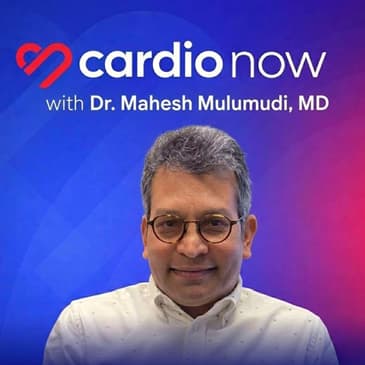
Welcome back to Cardionow, the podcast where we redefine how you think about heart health. In this episode, cardiologist Dr. Mahesh Mulumudi challenges traditional approaches to cholesterol and heart disease prevention. Instead of focusing on population averages and arbitrary LDL targets, he digs into the science of personalized risk, exploring how your unique plaque burden, inflammation levels, and genetics determine your true cardiovascular risks.
From the latest research on omega-3s and plaque regression to the hidden dangers of inflammation and the role of novel markers like Lp(a) and apolipoprotein B, today’s conversation will transform the way you partner with your doctor and manage your heart health. Whether you’re aiming for lower numbers or looking to understand what those numbers really mean, this episode will equip you with the critical questions you need to ask and the actionable steps that can make a difference. So get ready to go beyond the standard checkup; your heart will thank you.
Timestamps:
00:00 Debating LDL number personalization
04:50 Traditional cardiology practices questioned
09:05 Understanding LDL and inflammation
12:36 Managing inflammation and heart health
13:25 Exercise after meals to reduce glucose
17:40 Cholesterol testing recommendations
20:04 Understanding personal health targets
Understanding LDL Targets: Personalized Heart Health Strategies from Cardionow
Heart health is one of the most crucial aspects of overall wellness, yet so much confusion remains around cholesterol, particularly LDL levels, and how to best manage them. In the latest Cardionow episode, Dr. Mahesh Mulumudi tackles the age-old question: What should your LDL number actually be, and how can you personalize your approach to cholesterol management?
Why Standard LDL Targets Fall Short
During the episode, Dr. Mahesh Mulumudi highlights a key problem with the current approach to cholesterol management. Most doctors hand out the same LDL targets to everyone: under 130, under 100, and sometimes even lower, depending on certain risk factors. These numbers are based on population studies, which look at how different LDL concentrations correlate with cardiac events like heart attacks. Researchers thus select an LDL number associated with the lowest rate of cardiac events in the general population.
However, as Dr. Mahesh Mulumudi points out, these blanket targets may not reflect what’s truly best for each individual. Personal biology, plaque buildup, and inflammation levels all impact the actual risk, making a strong case for personalized LDL goals.
The Importance of Plaque Burden
A recurring theme in the conversation is the concept of plaque burden. Dr. Mahesh Mulumudi explains that people without any plaque in their heart arteries have a very low risk of heart attack, at just 0.2 percent. If plaque is present, that risk jumps significantly to 1.6 percent. This eightfold increase demonstrates why understanding your individual plaque burden is so critical.
Traditionally, cardiology has focused on how tight a narrowing is in a heart artery, relying on tests designed to spot only plaque causing symptoms. Yet, Dr. Mahesh Mulumudi emphasizes that the mere presence of plaque, even if not causing a major blockage, still markedly increases risk. The majority of heart attacks, in fact, happen in people with non-obstructive plaque that does not cause classic symptoms.
Plaque Regression: Can Plaque Actually Shrink?
Another fascinating insight from the episode concerns the possibility of plaque regression. Can existing plaque reverse or shrink? The answer, according to Dr. Mahesh Mulumudi, is “maybe.” He shares findings from two clinical trials: Reduce-It and EVAPORATE. Both trials showed that concentrated omega-3 fatty acids could reduce plaque volume and lower the risk of heart attacks or related events. The results suggest that, under the right interventions, some regression is possible, offering hope to those looking to actively decrease their heart risk.
Beyond LDL: Addressing Inflammation and Residual Risk
Even when LDL is well controlled, many people face “residual risk.” This is often driven by inflammation. Dr. Mahesh Mulumudi sheds light on how atherosclerosis is fundamentally an inflammatory process. Tools like high-sensitivity CRP and vascular-specific markers help identify persistent inflammation, which needs separate attention even if LDL looks perfect.
Drugs such as colchicine, a traditional gout medication now used for its inflammation-fighting properties, and lifestyle changes like exercise and post-meal movement can help address this inflammation. These interventions work alongside cholesterol management to provide a comprehensive approach to heart health.
What to Ask Your Doctor for Personalized Cholesterol Management
To truly optimize your heart health, Dr. Mahesh Mulumudi recommends asking your physician for an expanded lipid panel, including LDL, HDL, triglycerides, lipoprotein(a), and ApoB. Assessing inflammation markers like high-sensitivity CRP can also provide crucial risk insights. Advanced testing, like NMR lipid profiling, can reveal LDL particle number and size for a more complete picture and more personalized targets.
Key Takeaways for Better Heart Health
The key message from this episode of Cardionow is that heart disease develops quietly and often without obvious symptoms. By understanding your own biology, plaque burden, and inflammation status, not just chasing population-average LDL targets, you can move toward individualized heart health management.
Remember to look beyond generic numbers, seek expert guidance, and combine medications and powerful lifestyle changes to address all aspects of cardiovascular risk. For more actionable advice and in-depth discussions, don’t forget to follow Cardionow and stay tuned for the next episode.
Dr. Mahesh Mulumudi LinkedIn - https://www.linkedin.com/in/mahesh-mulumudi-1ba8733
CardioNow - https://www.cardionow.org/about-us/our-providers/mahesh-mulumudi-md-facc-fscai/
CardioNow YouTube - https://www.youtube.com/@CardioNowPLLC
TopHealth Media Network - https://tophealth.care/
Disclaimer: Informational only. Not medical advice. Consult your doctor for guidance.”